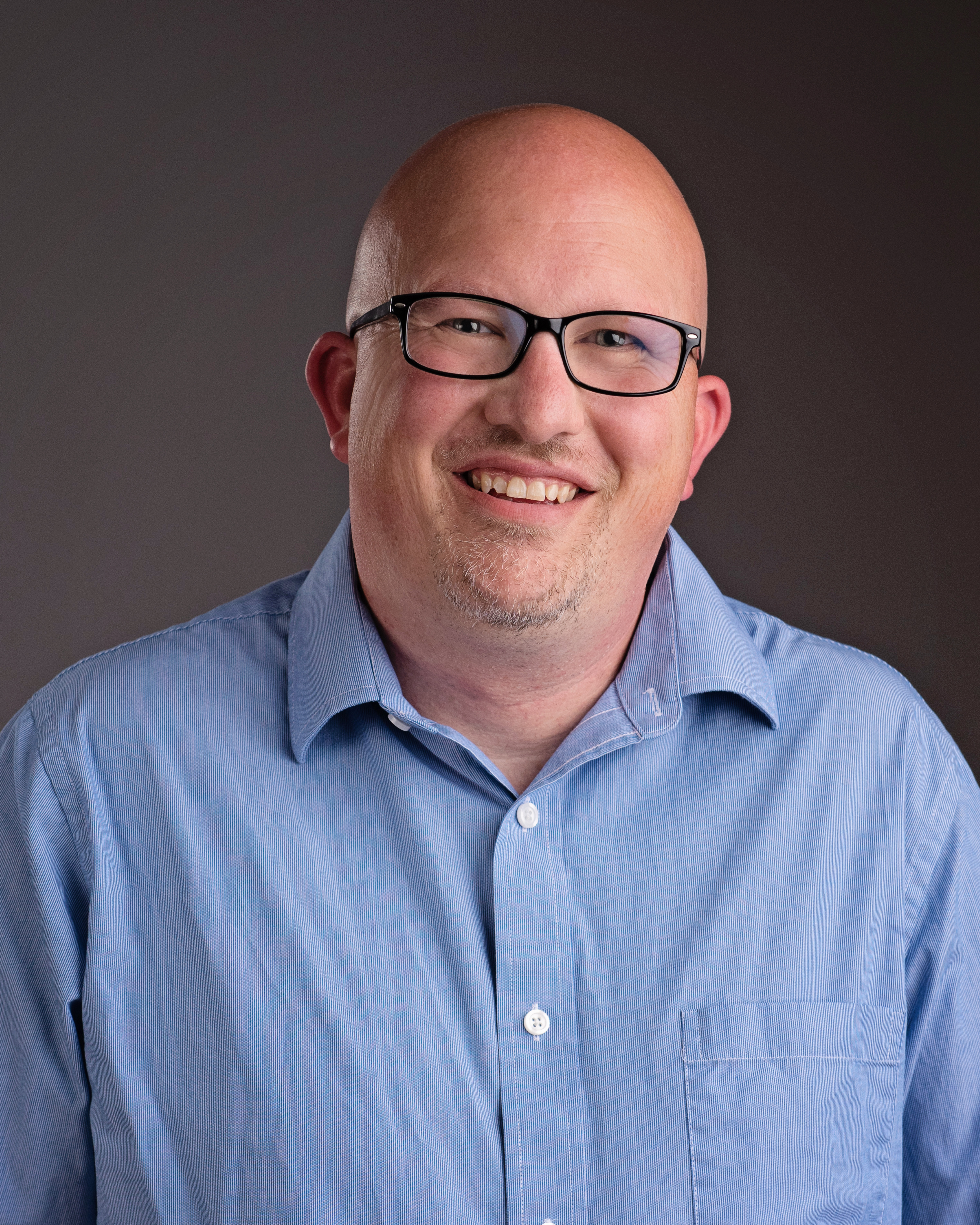
Tommy Dean lives in Indiana with his wife and two children. Tommy Dean is the author of two flash fiction chapbooks, Special Like the People on TV (Redbird Chapbooks, 2014) and Covenants (ELJ Editions, 2021). Hollows, A collection of flash fiction, was published by Alternating Current Press. He is the Editor at Fractured Lit. He has been previously published in the Atticus Review, The MacGuffin, The Lascaux Review, New World Writing, Pithead Chapel, and New Flash Fiction Review. His story “You’ve Stopped” was included in Best Microfiction 2019 and 2020 and Best Small Fiction 2019. He won the 2019 Lascaux Prize in Short Fiction. His interviews have been previously published in New Flash Fiction Review, The Rumpus, CRAFT Literary, and The Town Crier (The Puritan). He has led writing workshops for the Barrelhouse Conversations and Connections conference, The Lafayette Writer’s Workshop, Bending Genres, and for Kathy Fish’s Fast Flash. he is currently teaching at the Dallas Writer’s Workshop.
“Tommy Dean brought such energy and enthusiasm as a guest teacher in my workshop! He has a gift for sparking creativity and innovation in writers. As a gifted practitioner of the short form and a knowledgeable and inspiring teacher, he is sure to bring fresh insights and expertise to his own classes as well. I’m excited for any writers lucky enough to work with him!”
-Kathy Fish
Previous Workshops Have Sold Out Fast!
Don’t miss out on what 2026 has to offer! From learning how to create the feeling in a story, to testing your limits with brevity and word play, we cover all bases to turn you into a crisper, more innovative writer.
For information on upcoming workshops and how to register, follow this page or email Tommy at thomasrdean13@gmail.com.
Looking for a 2026 mentorship? I can help you take your flash or micros to the next level!
- Cost: $30
How to Pay: Space is limited, so please sign up early. Venmo your deposit @LoungeWriters with your email address. In notes, add: Flash. (The last 4 digits of the phone number are 9616, if Venmo asks.) Email Oksana Marafioti at info@loungewriters.com if you have questions or would rather pay by Zelle or PayPal.
Building Fictional Relationships through Dialogue, Ritual, and Objects
September 22, 2026
Time: 1:00-2:30 pm ET
online/Live Zoom
Cost: Pay what you want/can
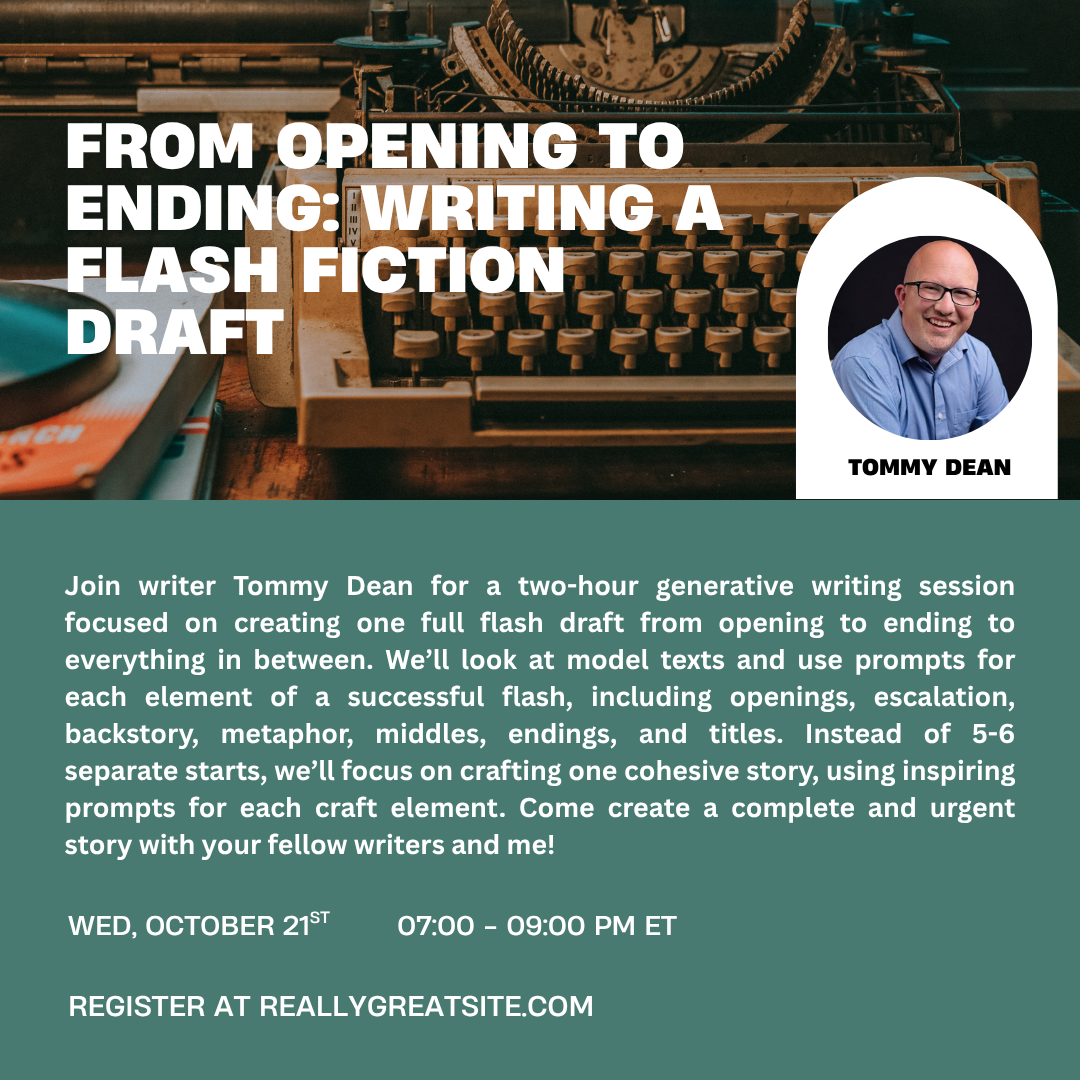
Join writer Tommy Dean for a 90-minute generative writing session focused on creating and revealing characters through their relationships with other characters in micro and flash fiction! We’ll look at model texts and hopefully get inspired by the writing prompts! For me, story starts with character. Flash word count/space limits put pressure on the writer to create and or/reveal characters quickly, but specifically and uniquely if they want to form dynamic and affecting stories. The character is often our vehicle for the camera and the point of view. Their very essence can create a sense of possibility, and it’s our job to use their actions on the stage of the story to create tension and conflict, to build resonance and satisfaction while reading. One way to do all of this is to reveal characters through their relationships with other characters, to show the fissures in relationships and the tension in counterpointed or opposite characters.
Agent One-on-One:
First 10 Pages
BOOT CAMP

$199.99
October 22-25, 2026
- Work with an agent on the first ten pages of your novel or non-fiction book
- Learn what keeps an agent reading
- Learn what the most common mistakes are that make them stop reading
- Discover the steps you need to take to correct the mistakes
Writing Flash Fiction with Raymond Carver
Cost: $120
Where: Online/Asychonous
November 29 through December 13, 2026
12 spots
In this 2-week asynchronous workshop, we’ll use the work of Raymond Carver to investigate how to create tone and mood in our flash. The way Carver’s characters long for and fight against isolation in an alienating world. We’ll focus on how Carver balances character, setting, and conflict while deploying his famous minimalism. How can we apply his craft moves to our own writing in 2025?
The class structure is asynchronous, so you can log in as needed throughout the week. I’ll provide 1-2 prompts per day Monday-Wednesday-Friday and repeat this the next week with model texts and my analysis of how to use the model texts. You can write a flash for both or just 1 and post it to the learning environment (Canvas). I will then provide positive, encouraging feedback for each flash piece you write. You will also get a chance to give and receive positive comments from your peers. We’ll use Saturday and Sunday to catch up on writing and commenting!
Testimonials
This was such a fabulous, generative workshop. The material for each day provided us with a craft essay that illuminated elements of the microform, readings that showed these elements in practice, and prompts that gave just the right amount of guidance – enough to take away the paralysis of sitting down to write, but not so much that it felt too limiting. Tommy’s feedback, and that of the other participants, was warm and encouraging, and worked to recognize the best in our work and build our confidence. The pieces I wrote during this weekend are some of the writing I feel proudest of. I’ve come out with a stronger understanding of structure and construction of character and desire in a small space, and am feeling so inspired to continue to apply what I’ve learned to future projects. -Wendy Wallace
When it comes to flash fiction, few can rival Tommy for knowledge and expertise – he’s not only a highly influential editor, but also a master of the form as a writer. Working with him meant being challenged continuously, asked to dig deep and question whether I am wringing every drop of possible meaning out of every sentence, or whether I have done all I can to bring a character to life or keep the reader gripped. He provided thoughtful, expert advice and our discussions were lively, stimulating, supportive and fruitful. He certainly helped me write with greater rigour, and that’s helped me achieve greater success, which can be measured by the fact that stories we worked on together have gone on to win awards and be published in fine journals. -Jaime Gill

